
Waterfront living has something to offer in every season. If you’re considering a home on Bainbridge Island, discover how touring during the rainier months can help you understand the shoreline, spot maintenance needs, and find the right fit before summer arrives.
It’s easy to imagine your dream waterfront lifestyle when the temperatures are high, the weather is fair, and the water is calm. But do the benefits of owning a piece of shoreline end when the seasons change? On the contrary, the adventures of living on the water make each season feel like a completely new experience.
Seeing a property during a sunny, calm period will present it in its best light, but the opportunity to tour it during rainy months, winter storms, or king tides will give you a firsthand look at the reality of owning a waterfront property. On Bainbridge Island and beyond, your homeownership plans don’t have to hibernate during the winter.
Continue touring homes, ask the right questions, and find your dream property so that by the time the summer rolls around, you’re settled in and ready to soak in the sunshine on your private deck, dock, or beach.
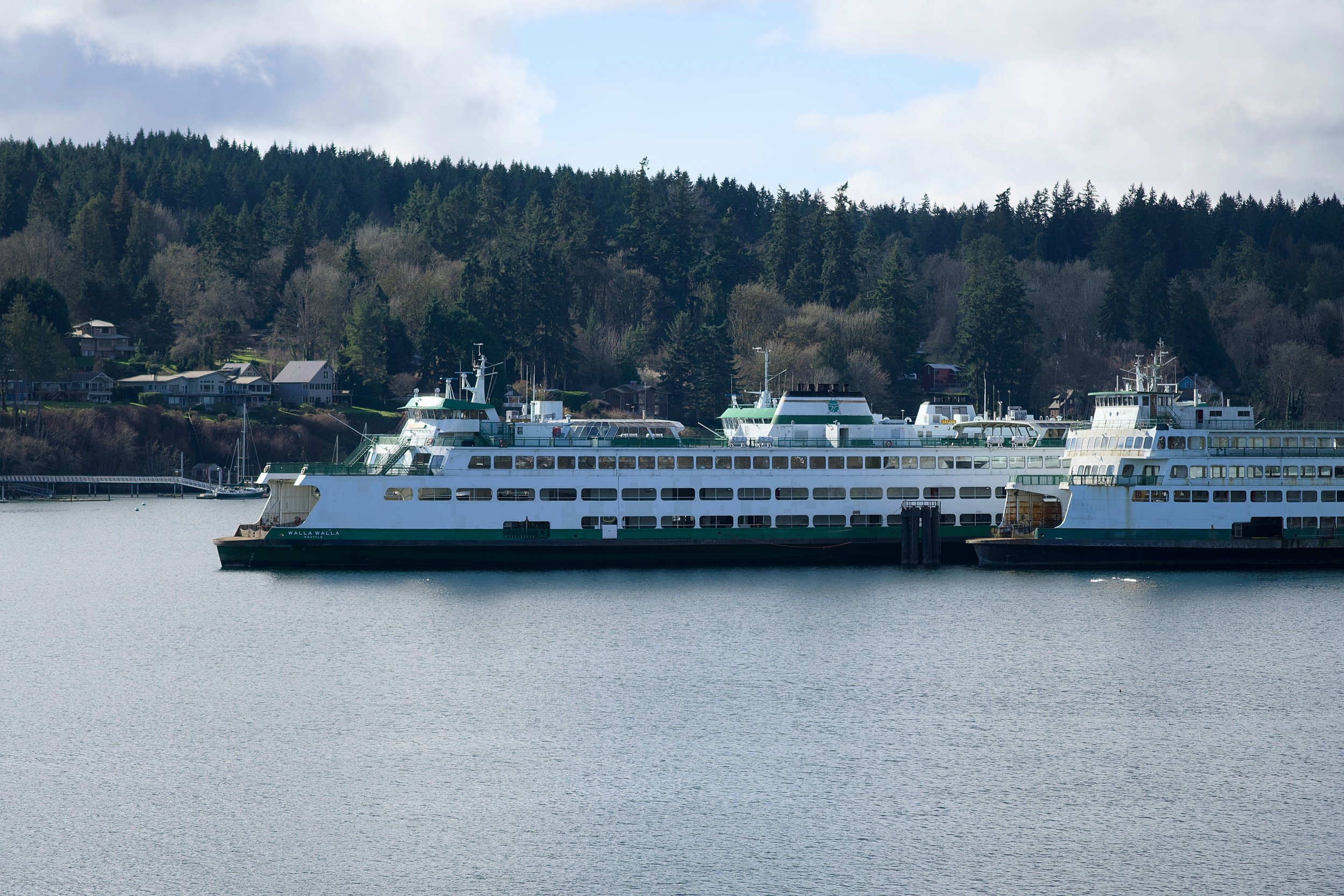
How Shorelines Change With the Season
It’s important to consider the ways a shoreline can be affected by winter weather, with harsh storms often eroding shorelines over time. Surveying how bulkheads and docks hold up during wind and rain can offer the full picture of what maintenance will look like year-round on the property.
Flooding should be top of mind, and on Bainbridge Island you can find out which zone the home is in and what that could mean both for safety and long-term durability of the home’s structure and the property site.
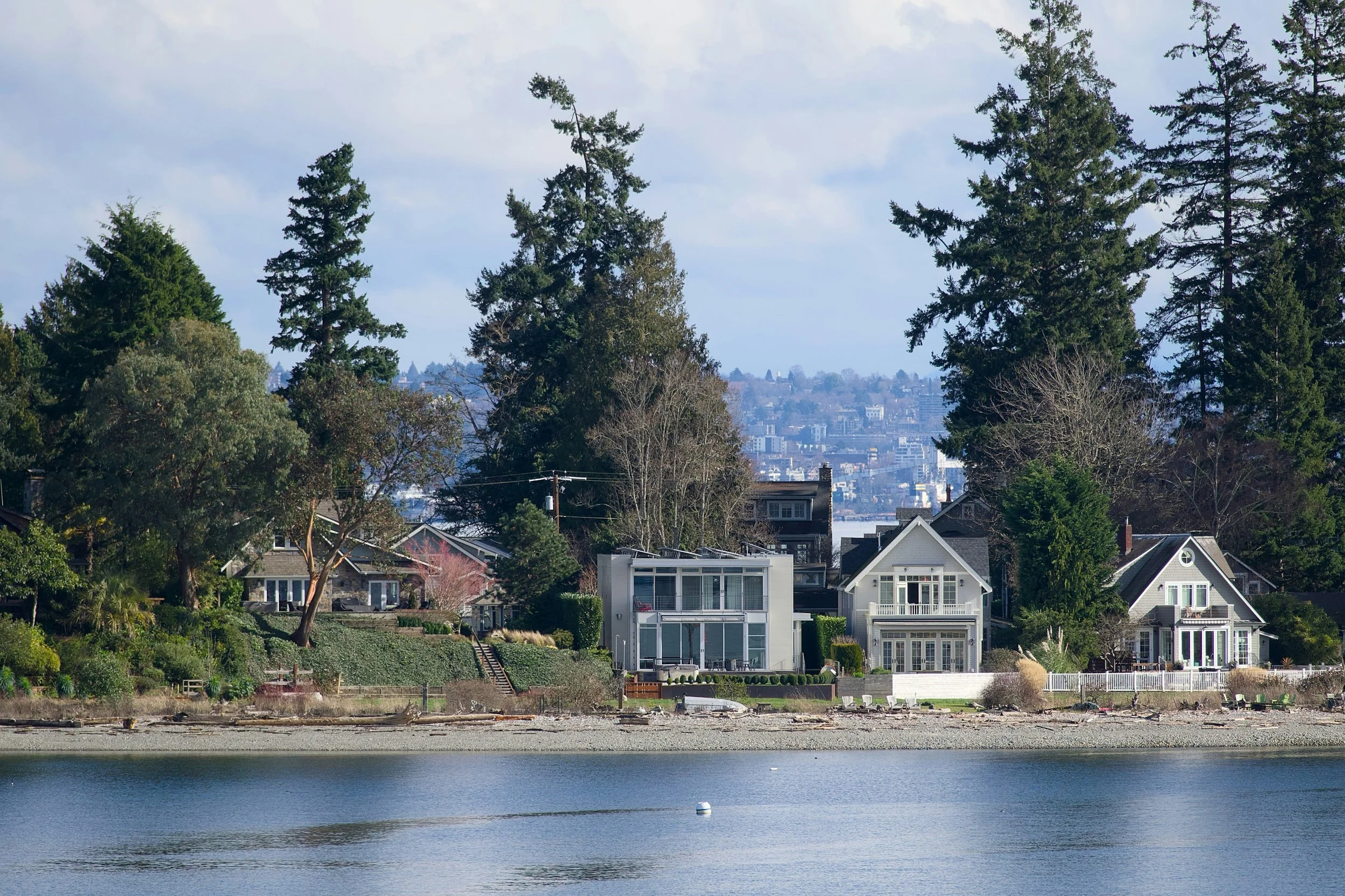
Understanding the Difference Between Types of Waterfronts
On Bainbridge Island and across the Puget Sound region, waterfront property types vary. Some homes are lakefront, while others are located along the Puget Sound. Understanding the bank type and how that’s affected by weather—and tides if it’s a Sound shoreline—will be crucial in your home-search endeavors.
On Bainbridge Island alone, waterfront properties vary between no bank, low bank, and high bank. Knowing that no-bank homes mean more water access, but also more bulkhead maintenance is important, for example. Or if you’re more interested in the view than you are in access, a high-bank waterfront might be where you land. Those properties carry their own responsibilities, and touring during the rainy season is an excellent way to observe how well drainage works.
For more on low, no, and high-bank, read our blog that breaks down the difference between the three types.
When to Call in Specialists
If it seems like a lot of information to digest, don’t worry. There are specialists who can guide you through repairs, legalities (such as tide rights and bulkhead ownership), and targeted questions to ask before you make any big decisions. We’ve worked with some incredible professionals throughout our years representing waterfront buyers and sellers, so we’ve compiled a curated list of our most recommended resources on our “Waterfront Home Contractors” blog.
As always, the best way to begin any real estate journey is with a trusted real estate advisor. We’d be happy to talk about your goals, lifestyle, and biggest questions when it comes to purchasing waterfront property. Throughout our years serving our Bainbridge Island clients, we’ve seen it all and weathered every storm. Let’s connect today and start your voyage.